2026-09-11
Incheon Glaucoma: The Silent Sight Thief Part 2 - Early Symptoms, Screening, Prevention, and Care
Glaucoma is a silent sight thief that damages the optic nerve without early warning signs. Learn why symptoms are masked, how OCT tests diagnose it, and essential care tips to prevent blindness.

H-EYE-light - Are Symptoms Already a Sign of the End Stage? The Alarming Truth About Glaucoma

Bringing you essential, easy-to-digest eye health information—this is H-EYE-light!
Today's topic is the silent thief of sight: glaucoma.
Because glaucoma causes virtually no early symptoms, it is exceptionally difficult to detect on your own.
All too often, by the time you actually notice symptoms, the disease is already in its advanced stages and can lead to irreversible blindness, making it a critical threat to vision.
That is why we prepared this guide.
Ophthalmologist Dr. Lee Jin-young explains precisely what glaucoma is and how you can protect your precious vision—delivering must-know medical insights in simple, accessible terms.

Why Are There Rarely Any Symptoms in the Early Stages of Glaucoma?

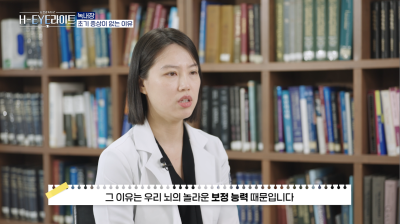


The primary reason glaucoma exhibits almost no symptoms early on lies in the brain's remarkable compensatory ability.
If our eyes are like camera lenses, the brain functions as the central computer.
When early-stage glaucoma causes blind spots along the peripheral edges of your visual field, the brain seamlessly fills in these missing areas using visual data from the surrounding environment.
For instance, when looking at a tree, even if an area is invisible due to optic nerve damage, your brain fills the void with neighboring green leaves.
As a result, patients are tricked into believing their vision is perfectly intact, unaware that blind spots have formed in their visual field.




There is another deceptive catch: central vision remains intact until the very end.
Because glaucoma narrows the visual field from the outer perimeter inward, central acuity—the vision used to read text—frequently stays at 20/20 (1.0) well into late stages.
However, having "sharp central vision" and having an "intact visual field" are two entirely different things.
Much like looking outward from deep inside a tunnel, peripheral vision gradually constricts; simply seeing well straight ahead should never give you false reassurance.
Consequently, by the time patients notice abnormalities and consult an eye clinic, the crucial golden window for treatment has almost always long passed.
How Is Glaucoma Screened and Diagnosed?



Glaucoma screening is completely painless.
First, baseline tonometry measures intraocular pressure (IOP), followed by visual field testing to detect any existing blind spots or peripheral loss.
The cornerstone of evaluation is an in-depth optic nerve exam assessing structural shape and nerve fiber layer thickness.
Utilizing high-resolution Optical Coherence Tomography (OCT), specialists scientifically analyze microscopic nerve changes that are completely invisible to the naked eye.
Because early detection remains the only definitive way to safeguard your sight, these advanced tests are essential.
Can Vision Be Fully Restored After Glaucoma Treatment?



"Will treating glaucoma restore my eyesight to how it used to be?" This is one of the most common questions patients ask.
Regrettably, modern medicine currently has no method to regenerate destroyed optic nerve fibers or restore lost vision and visual field.

For this reason, the goal of glaucoma treatment is not a "cure," but rather slowing disease progression as much as possible to prevent blindness throughout a patient's lifetime.
Treatment primarily relies on daily pressure-lowering eye drops.
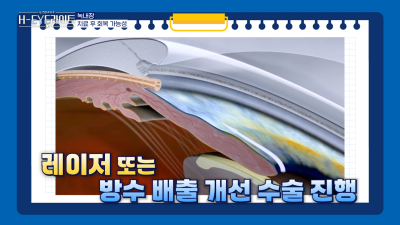
If topical medications fail to sufficiently manage eye pressure, laser therapy or surgical procedures designed to facilitate aqueous humor outflow may be performed.
Preserving the sight and visual field you have right now for the rest of your life—that is the fundamental purpose of glaucoma management.
How Can You Prevent and Manage Glaucoma?


The most dependable prevention method is routine comprehensive eye examinations.
If you are 40 years of age or older, undergoing regular fundus exams is strongly recommended—even if you experience zero noticeable symptoms.


If you have already been diagnosed with glaucoma, adhering strictly to your prescribed eye drop regimen at designated times every day is paramount.
Because intraocular pressure fluctuates naturally throughout the day, missing even one or two doses can impose significant stress on vulnerable optic nerves.
Never discontinue treatment arbitrarily; by partnering with your eye care specialist for consistent, long-term management, you can successfully protect your vision.
In this fourth episode of H-EYE-light,
we explored the silent thief of sight—examining the causes, high-risk groups, and serious dangers of leaving glaucoma unaddressed.
Rather than assuming your eyes are healthy just because you can see clearly straight ahead, remember that regular checkups are the only surefire way to preserve your eyesight!
Are Symptoms Already a Sign of the End Stage? The Alarming Truth About Glaucoma - Hangil Eye Hospital YouTube H-EYE-light
Hangil Eye Hospital Location
Appointments & Inquiries
Frequently Asked Questions
Why is it difficult to notice symptoms during the early stages of glaucoma?
This is due to the brain's compensatory mechanism and the preservation of central vision. When peripheral blind spots develop, the brain fills in missing areas using surrounding visual context. Additionally, central acuity often remains sharp at 20/20 until late stages, masking disease progression.
What does a glaucoma screening involve, and is it painful?
The screening is completely painless. It includes baseline tonometry (eye pressure test), visual field testing, and high-resolution Optical Coherence Tomography (OCT) to assess the optic nerve's physical structure and microscopic thickness changes with high precision.
Can lost vision be restored after starting glaucoma treatment?
No, there is currently no medical method to regenerate damaged optic nerves or reverse lost visual field. The objective of glaucoma treatment is not a cure, but rather slowing progression to protect remaining vision and prevent blindness over your lifetime.
How is glaucoma typically treated?
Initial treatment primarily centers on daily prescription eye drops designed to reduce intraocular pressure. If drops do not achieve target pressures, laser treatments or surgical procedures may be utilized to establish drainage channels for aqueous fluid.
What is the most effective way to prevent and manage glaucoma?
The most effective strategy is undergoing regular eye exams and adhering strictly to prescribed eye drops. Individuals aged 40 or older should receive annual fundus exams even without symptoms. Diagnosed patients must never skip doses to avoid harmful pressure spikes.