2026-10-03
Cataract Surgery Lens Types and Post-Operative Precautions
Explore cataract lens options—monofocal, multifocal, and EDOF—and essential post-surgery care guidelines for washing, driving, activities, and optimal recovery from Hangil Eye Hospital specialists.


Types of Cataract Intraocular Lenses and How to Choose
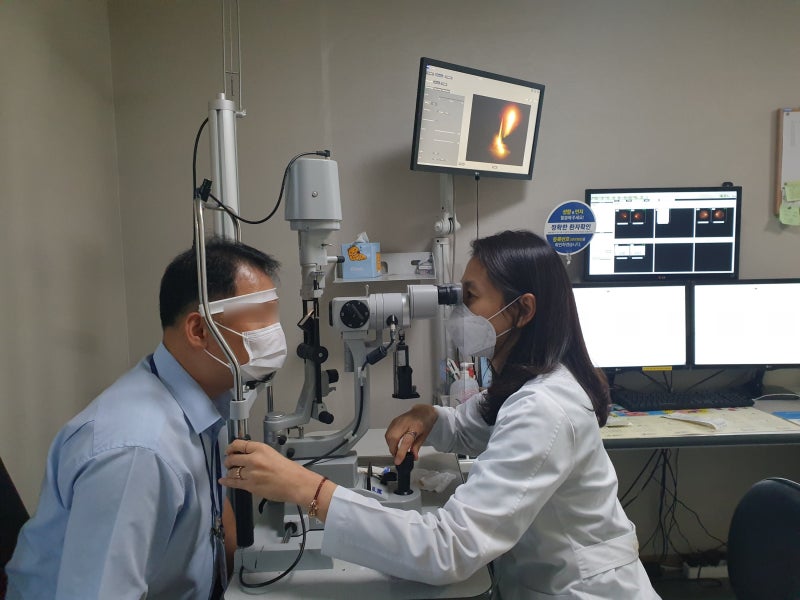
Once you decide to undergo cataract surgery,
you must select an intraocular lens (IOL)
to replace your clouded natural crystalline lens.
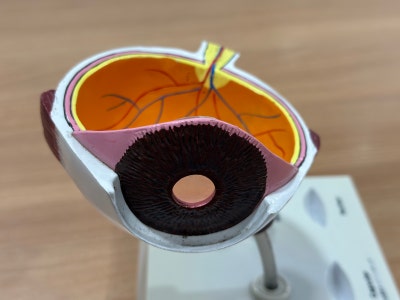
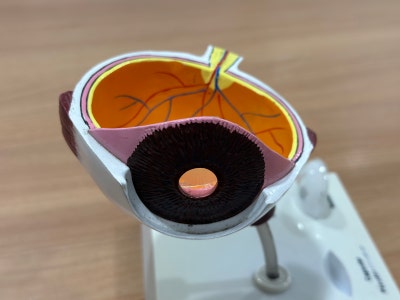
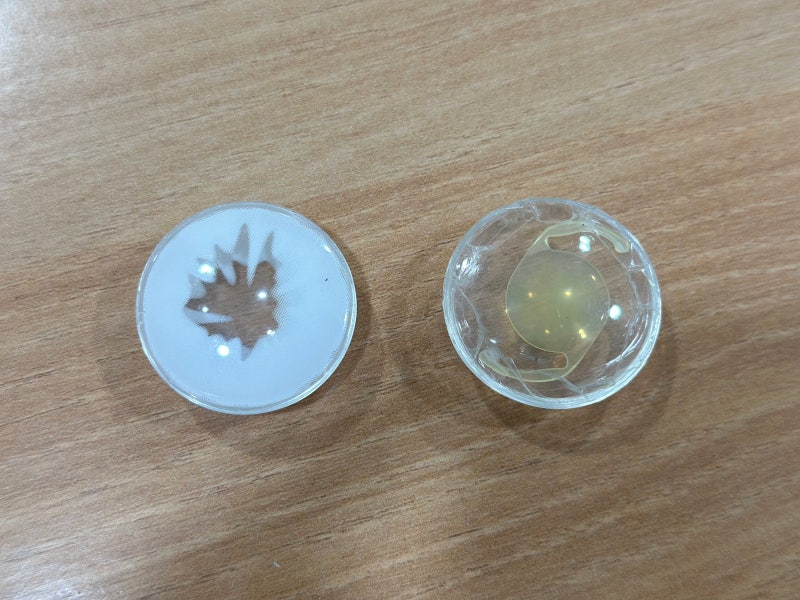
There are dozens of different intraocular lens options used in cataract surgery.
Choosing the lens best suited to your unique eyes
ensures better clinical outcomes and easier post-operative adaptation.
In addition, the cost of cataract surgery varies depending on the lens selected.
Monofocal Lenses for Cataract Surgery
These are intraocular lenses that focus light at a single set distance.
They are the most commonly used lenses in cataract surgery.
Clear vision is achieved only at one preset focal distance—either far or near.
Since they are generally set for distance vision,
distance sight will be sharp after surgery, but reading glasses are required for close-up tasks.
Furthermore, standard monofocals do not correct astigmatism. If you have significant corneal astigmatism,
residual astigmatism will remain after surgery, requiring corrective glasses.
Multifocal and Extended Depth of Focus (EDOF) Lenses
Multifocal lenses are intraocular lenses designed with multiple focal points.
Most are trifocal, enabling you to see at distance, intermediate, and near ranges,
which often eliminates the need for glasses or reading glasses after surgery.
However, having multiple focal points may cause side effects such as light glares and halos.

Extended Depth of Focus (EDOF) lenses were developed to reduce these glare and halo symptoms.
While they produce significantly less glare and halo compared to standard multifocals,
near vision clarity may be slightly reduced, meaning reading glasses might still be needed for fine print.
Both multifocal and EDOF lenses are available in toric options,
allowing for the correction of significant corneal astigmatism as well.
Because each type of intraocular lens has its own distinct pros and cons,
taking your ocular profile, lifestyle, and visual habits into account
will lead to greater post-surgical satisfaction.
Post-Operative Precautions After Cataract Surgery
Following cataract surgery,
there are several important precautions to observe
until the newly implanted artificial lens stabilizes securely in place.
First, you must administer specific eye drops into the operated eye.
Since each drop has a different schedule and frequency,
be sure to write them down, follow directions carefully, and never miss a dose.

Gauze and Eye Shield
☑ Do not rub or press on the operated eye under any circumstances.
☑ If you need to clean around the eye, use only sterile gauze.
☑ An eye shield with gauze is placed over the operated eye after surgery.
You may remove the gauze when administering eye drops after returning home.
There is no need to reattach the gauze!

Sleeping
☑ On the day of surgery, please sleep lying flat on your back.
Driving
☑ Absolutely do not drive on the day you are discharged from surgery.
☑ It is best to consult your doctor during your follow-up appointment before resuming driving.

Drinking and Smoking
☑ Refrain from alcohol consumption and smoking for one full month.

Washing Face and Bathing
☑ Washing your face and washing your hair are permitted starting 7 days post-surgery.
☑ On the day of surgery, you may only take a shower from the neck down.
☑ Gently wipe your face with a damp towel, strictly avoiding the eye area.
☑ Soaking baths, saunas, and swimming pools may be used starting 1 month after surgery.

Exercise
☑ It is best to avoid heavy lifting and strenuous, high-impact workouts as much as possible.

Daily Life
☑ Traveling is permitted starting 1 month after surgery.
☑ Flying on an airplane is possible starting 2 weeks post-surgery.
☑ Medications you were taking before surgery for other underlying conditions can be taken as prescribed.
If you experience eye pain,
headaches, vomiting, or a sudden decline in vision,
contact or visit the surgical clinic immediately.
At Hangil Eye Hospital, 31 subspecialty-trained ophthalmologists
strive to provide personalized treatments tailored to each patient's eye condition.
If visual discomfort is causing you worry and anxiety,
feel free to visit us anytime
and receive expert medical care.

Dr. Jong-Woo Kim, Anterior Segment / SMILE & LASIK Specialist at Hangil Eye Hospital
This content was produced with the medical guidance of Dr. Jong-Woo Kim, Department Director at Hangil Eye Hospital.


Frequently Asked Questions
When can I wash my face and shampoo my hair after cataract surgery?
You can wash your face and hair starting 7 days after surgery. On the day of surgery, only take showers from the neck down; use a wet towel to gently clean your face without touching the eyes. Public baths, saunas, and swimming pools should be avoided for at least one month.
When is it safe to drive after cataract surgery?
Driving is strictly prohibited on the day of your surgery. You should consult your ophthalmologist during your post-operative follow-up examination to assess your visual recovery before getting behind the wheel.
When can I resume alcohol consumption and smoking after cataract surgery?
Both alcohol and smoking must be avoided for one full month following surgery. Abstinence is critical to ensure proper IOL stabilization and to prevent post-surgical infections and complications.
What are the pros and cons of multifocal cataract lenses?
Multifocal lenses provide clear vision at far, intermediate, and near distances, significantly reducing or eliminating the need for eyeglasses or reading glasses, and can also correct astigmatism. However, having multiple focal zones may lead to side effects like glare and halos around lights.
When can I travel or fly after cataract surgery?
Air travel is generally permitted after 2 weeks, while recreational travel can be resumed after 1 month. Avoid heavy lifting or intense exercise during recovery, and seek immediate medical attention if you notice pain or a sudden drop in vision.