2026-10-19
Early Cataract Symptoms Before Surgery and Whether Surgery Is Necessary
Learn the early signs of cataracts, including blurred vision, day blindness, glare, and color changes, and why timely surgery and pre-surgery testing matter.

What Is Cataract? Ranked 1st and 3rd Among Frequently Performed Surgical Conditions


In 2022,
a total of 475,440 people underwent cataract surgery,
and there were 735,693 cataract surgeries in total.
Even among the top 20 most frequently performed surgical conditions,
senile cataract ranked 1st and other cataracts ranked 3rd.
(Source: Korean Statistical Information Service (KOSIS), 'Health Insurance Major Surgery Statistics,' Surgery Status by Region and Type of Medical Institution (Total), Top 20 Frequently Performed Surgical Conditions)
So what exactly is cataract, a condition that so many people are treated for each year?
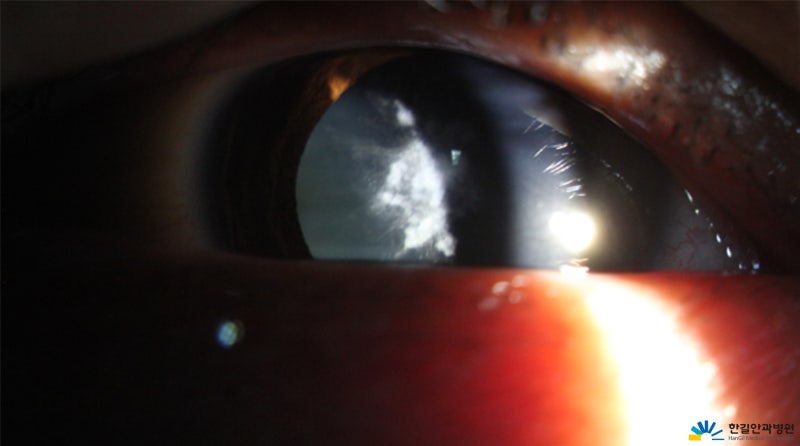
A cataract is a condition in which the lens, one of the tissues that make up the eye, becomes cloudy.
It is often compared to a camera lens.
Just as a camera lens takes sharper pictures the clearer and cleaner it is,
the eye's lens needs to be clear and transparent for us to see objects sharply.
However, as we age, the lens gradually becomes cloudy, hard, and thick.
Aging is the main cause of cataracts, but there are other causes too, such as external trauma and inflammation.
Early Cataract Symptoms
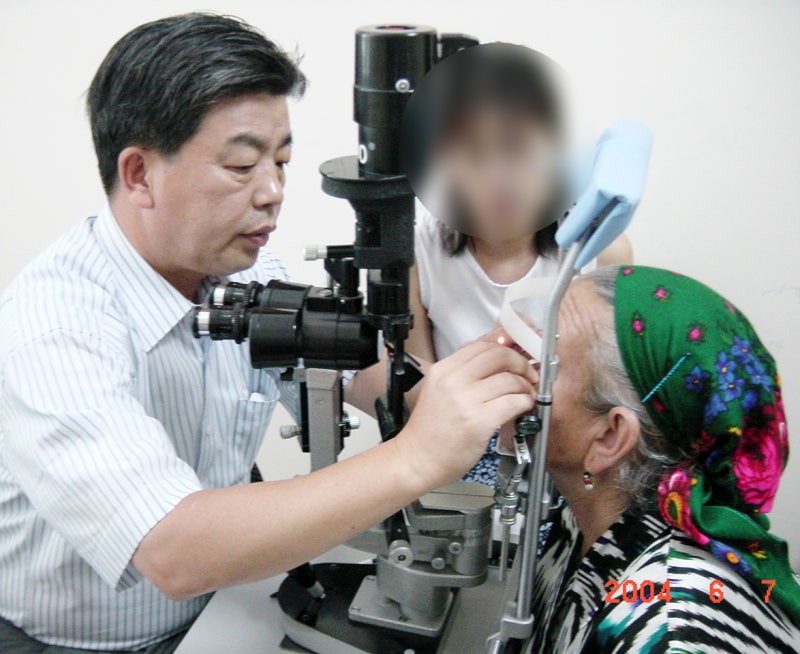
Cataracts usually develop with age, so they often occur together with presbyopia.
For this reason, some people confuse the two, but they are clearly different conditions.
If you suspect a cataract, check whether you have any of the following symptoms!
✅ Blurred vision: Objects look hazy or appear double. ✅ Day blindness: Vision is blurrier in bright light, and objects are easier to see indoors or in dim places. ✅ Light halos and glare: Light appears to spread out, or you feel glare. ✅ Color changes: Objects look dull or yellowish. ✅ Frequent glasses changes: You need new glasses more and more often.
Is Cataract Surgery Really Necessary?

The timing of cataract surgery is determined by considering various factors,
including the progression of the cataract, the shape of the eye, complications, occupation, whether you drive, and lifestyle habits.
The ideal time for surgery differs from person to person,
but once a cataract develops, it is a surgery that most people will eventually need.
If surgery is delayed too long, the risk of postoperative complications such as glaucoma, endophthalmitis, and corneal decompensation increases.
If the cataract worsens and the lens becomes too hard, the surgery can become much more difficult.
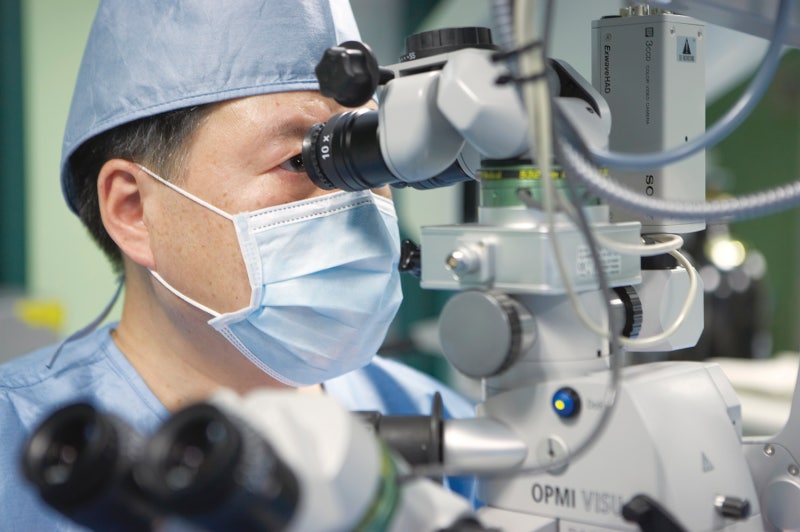
Cataract surgery removes the cloudy, hardened, and thickened lens
and replaces it with a clear, soft, and thin artificial lens (intraocular lens).
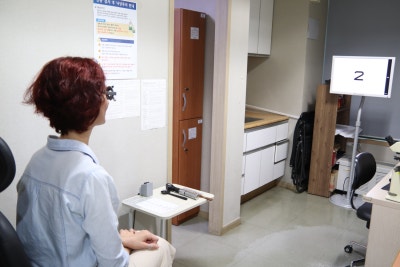
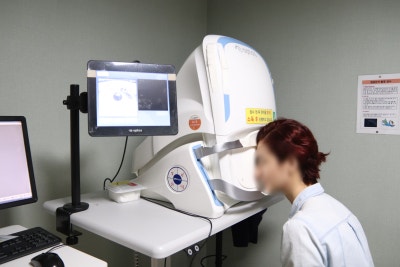
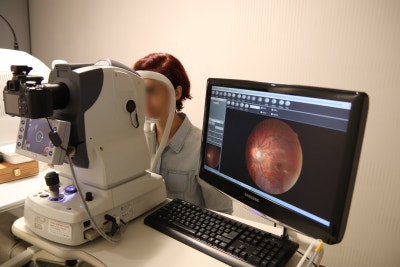
Therefore, if vision loss is caused by a cataract, many people notice significant vision improvement after surgery.
However, if vision loss is caused by something other than a cataract, you may not notice much improvement even after cataract surgery.
That is why it is important to confirm through pre-surgery testing whether a cataract is actually the cause of your vision loss.
There is a wide variety of artificial lenses (intraocular lenses) that replace the natural lens, with dozens of types available.
When undergoing cataract surgery, choosing an intraocular lens that suits your eyes and lifestyle leads to better results and makes adjustment after surgery easier.

If you suspect a cataract, don't be too worried. Visit a nearby eye specialty hospital for an examination and consultation.

Anterior Segment Department, Hangil Eye Hospital / Kim Jong-woo, Ophthalmologist Specializing in SMILE and LASIK
This content was produced with the help of Kim Jong-woo, Head of the Clinical Department at Hangil Eye Hospital.


Frequently Asked Questions
What is a cataract?
A cataract is a condition in which the lens, one of the tissues that make up the eye, becomes cloudy. The lens is often compared to a camera lens, and with age it becomes cloudy, hard, and thick. Aging is the main cause, but there are various other causes, such as external trauma and inflammation.
What are the early symptoms of cataracts?
The typical early symptoms of cataracts include blurred vision, day blindness, light halos and glare, color changes, and needing new glasses frequently. Day blindness refers to vision that is blurrier in bright light, while objects are easier to see indoors or in dim places.
Are cataracts and presbyopia the same condition?
No, cataracts and presbyopia are different conditions. Cataracts often progress with age and tend to occur alongside presbyopia, which is why the two are sometimes confused.
Is cataract surgery absolutely necessary?
Once a cataract develops, most people will eventually need surgery, but the ideal timing differs from person to person. The timing is determined by factors such as the progression of the cataract, eye shape, complications, occupation, whether you drive, and lifestyle. Delaying surgery too long increases the risk of complications such as glaucoma and endophthalmitis.
How is cataract surgery performed?
Cataract surgery removes the cloudy, hardened lens and replaces it with a clear, soft, and thin artificial lens. If vision loss is caused by a cataract, many people notice significant improvement after surgery.
Why is pre-surgery testing necessary?
It is important to confirm through pre-surgery testing whether a cataract is actually the cause of vision loss. If the vision loss is caused by something other than a cataract, you may not notice much improvement even after surgery.