2026-10-07
Early Cataract Vision Problems? Symptoms to Know in Incheon
Blurry vision, glare, and color changes can signal early cataracts rather than simple presbyopia. This guide covers key symptoms, a self-check list, and when surgery may be needed.


Early Cataract Vision Problems? Symptoms to Know in Incheon

As we age, our bodies go through many changes. Of these, the eyes are the first part of the body to show signs of aging. When eye function declines, vision looks hazy and sharpness drops. However, many people mistake this kind of vision loss for ordinary presbyopia. This is because cataracts and presbyopia share similar early symptoms, such as declining vision and eye fatigue, and both can occur in middle-aged and older adults.
What Is a Cataract?
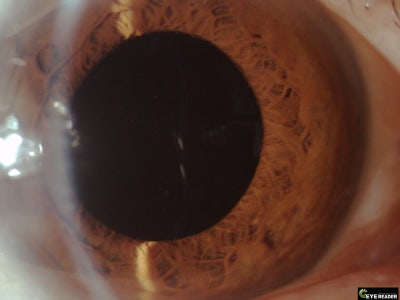
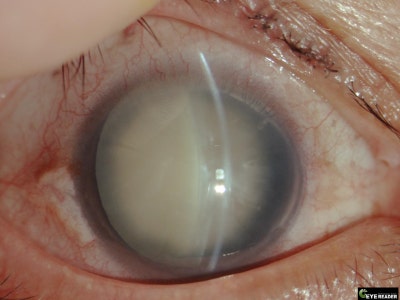
Close-up of an eye whose pupil looks milky white from a clouded lens, as seen in cataracts.
Close-up of an eye with a clear, dark pupil and no visible clouding of the lens.
A cataract is a condition in which the lens of the eye becomes cloudy.
Inside our eyes is the lens, a clear, soft structure that works like a camera lens. It gathers the light entering the eye and delivers the image to the retina.
Aging, diabetes, high blood pressure, and ultraviolet exposure, among other factors, can cause the lens to become cloudy, leading to blurry vision and discomfort. This differs from presbyopia, which is caused by the lens becoming rigid.
Early Cataract Symptoms
✔️ Blurry Vision
Eyes feel dim and vision drops, and glasses don't improve it.
✔️ Glare
Light appears to spread or blur under strong light or sunlight.
✔️ Color Changes
Colors don't look as vivid as they used to, or things may appear yellowish.
✔️ Double Vision
You may also see a single object as multiple images.
Cataract Self-Check

✅ I am currently 40 or older ✅ My vision has dropped suddenly ✅ Things look hazy, as if covered in fog ✅ Streetlights look spread out ✅ I often rub my eyes or squint ✅ My eyes keep getting dim and it's hard to tell colors apart ✅ Objects look doubled or tripled ✅ Nearby objects suddenly look clearer
If you experience any of the symptoms above, it's best to consult a specialist and get an examination.
Is Cataract Surgery Always Necessary?

In the early stages, when symptoms are mild, medication can help slow the progression.
If the patient's vision isn't significantly affected and there is no risk of complications, surgery isn't needed right away.
In fact, surgery done too early may lead to lower satisfaction, since patients may not notice a significant change in their vision.
However, a clouded lens cannot become clear again. Once the cataract has progressed enough to make daily life more difficult and reduce quality of life, surgery should be considered.

Banner: HanGil Eye Hospital ophthalmologist Dr. Yoo Tae-geun, with tags #Cataract #Cornea #LASIK.
This content was prepared with the help of Dr. Yoo Tae-geun, department chief at Hangil Eye Hospital.


Frequently Asked Questions
What are the early symptoms of cataracts?
Blurry vision, glare, color changes, and double vision are considered early symptoms. You may also notice dimness that glasses don't correct, along with light that appears to spread or blur.
How are cataracts and presbyopia different?
A cataract is a condition where the lens becomes cloudy, while presbyopia is caused by the lens hardening. However, their early symptoms, such as declining vision and eye strain, are similar, and both can occur in middle-aged and older adults, so they are easy to confuse.
Can medication slow cataract progression in the early stages?
Yes. When symptoms are mild, medication can help slow the progression. However, a clouded lens cannot become clear again.
When should cataract surgery be considered?
If vision isn't significantly affected and there is no risk of complications, surgery isn't needed immediately. Surgery should be considered once the cataract has progressed to the point where daily life becomes noticeably harder and quality of life declines.
What does the cataract self-check include?
The self-check includes whether you are 40 or older, a sudden drop in vision, and things looking hazy as if covered by fog. It also covers streetlights appearing spread out and objects looking doubled. If you notice these symptoms, it's best to seek professional consultation and examination.
What causes cataracts?
Cataracts can develop from various causes, including aging, diabetes, high blood pressure, and ultraviolet exposure, all of which can cloud the lens. When the lens becomes cloudy, vision becomes blurry and uncomfortable.