2026-11-06
[Hangil Eye Hospital] Pediatric Amblyopia Is Hard to Notice, So Regular Eye Exams Matter
Pediatric amblyopia rarely shows obvious signs and is hard to notice, especially during remote learning. Checking children's vision every 6 to 12 months is recommended, and early treatment is key.
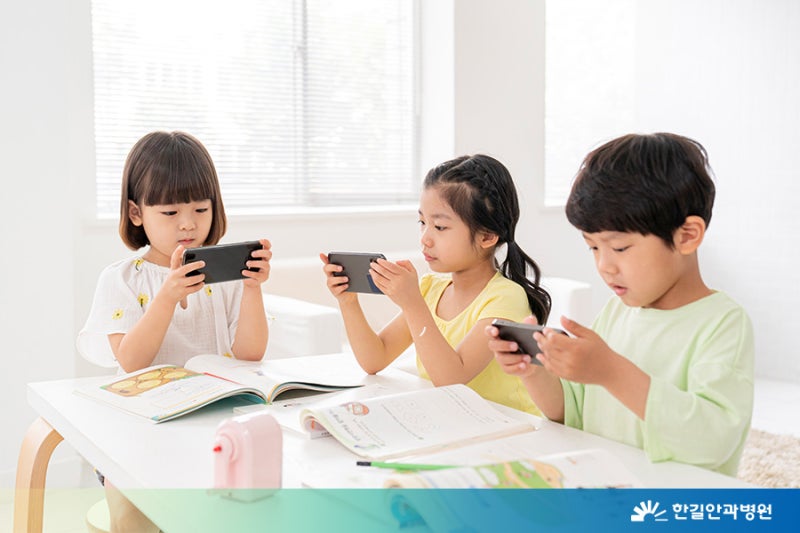
Pediatric amblyopia is hard to notice, so regular eye exams are important
Almost two years have passed since COVID-19 first emerged, and our daily lives remain closely affected by it. As staying at home has become more common, use of video platforms such as YouTube has grown, and kindergarten and school classes are often held as remote online lessons. On the other hand, travel has decreased, so we have fewer chances to look at distant objects. Now that a lifestyle involving so much close-up viewing has become part of everyday life, let's check how our eyes are doing.
Get checked regularly even if your child doesn't say anything! Amblyopia in infants and adolescents
If you brush off a child's comment that they can't see the writing on the board well from a seat at the back of the classroom, you may regret it later. It is very likely that they have developed nearsightedness or astigmatism, and in severe cases, it could be amblyopia. Unlike strabismus, amblyopia does not show obvious outward symptoms, making it even harder for parents or guardians to notice. This is especially true now that remote online classes have become more common due to COVID-19. Because most lessons take place at home, a familiar space, children may not feel discomfort from declining vision, and since they mostly view monitors up close, vision problems are hard to spot. Moreover, since we have two eyes, if one eye's function is impaired, the other eye compensates. For this reason, children rarely realize on their own that they cannot see well, and they seldom tell their parents or guardians about it clearly. Therefore, even if your child says nothing, it is best to have their vision checked regularly, at least once every 6 months to a year.
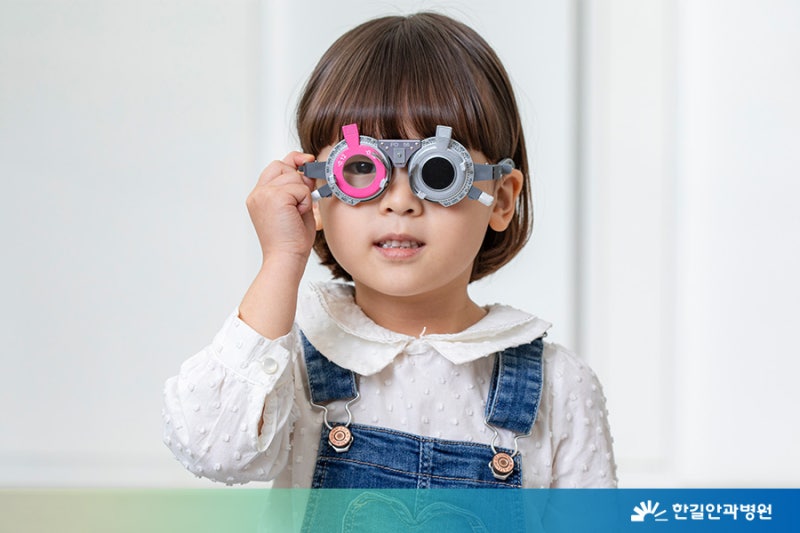
Nearsightedness and astigmatism can be corrected with glasses or orthokeratology lenses (dream lenses), but amblyopia is the real concern. Amblyopia refers to a condition in which the cornea, retina, and optic nerve are normal, yet vision does not reach normal levels even with corrective lenses such as glasses. When the vision in the two eyes differs by two or more lines on an eye chart, the eye with lower vision is considered amblyopic. It is most often found in anisometropia, where the vision difference between the two eyes is large. Amblyopia can be corrected with methods such as glasses. If a child with amblyopia wears glasses, corrected vision usually recovers after about a year. If recovery is slow, amblyopia treatment such as patching therapy may be needed. One key factor here is the child's age. If amblyopia treatment starts after age 10, visual development is already complete and significant benefits are hard to achieve. If amblyopia is present, parents and guardians should pay close attention so it can be found early and treated before the window for visual development closes.


Frequently Asked Questions
Can children notice pediatric amblyopia on their own?
No. Children rarely recognize on their own that they cannot see well, and they seldom tell their parents. Unlike strabismus, amblyopia has no obvious outward symptoms, and when one eye's function is impaired, the other eye compensates.
How often should regular vision checkups be done?
It is recommended to check vision regularly at least once every 6 months to a year. Even if a child says nothing, it is important to follow this schedule.
Can amblyopia be corrected with glasses?
Yes, amblyopia can be corrected with methods such as glasses. Most children with amblyopia who wear glasses regain corrected vision within about a year. If recovery is slow, amblyopia treatment such as patching therapy may be needed.
Up to what age is amblyopia treatment effective?
It is important to start amblyopia treatment before age 10. If treatment begins after age 10, visual development is already complete, and significant benefits are hard to achieve.
What criteria are used to determine amblyopia?
When the vision in the two eyes differs by two or more lines on an eye chart, the eye with lower vision is considered amblyopic. It is most commonly found in anisometropia, where the vision difference between the two eyes is large.
Has COVID-19 made it harder to check a child's eyes?
Yes. Because most classes take place at home and children view monitors up close, vision problems are harder to notice. It is also noted that children may not feel discomfort even when their vision worsens.