2026-10-20
Secondary Cataract: Causes and Symptoms Explained
Secondary cataract is a cloudy membrane that forms on the posterior capsule after cataract surgery. Learn its causes, symptoms, and laser treatment options.


What Is a Cataract?
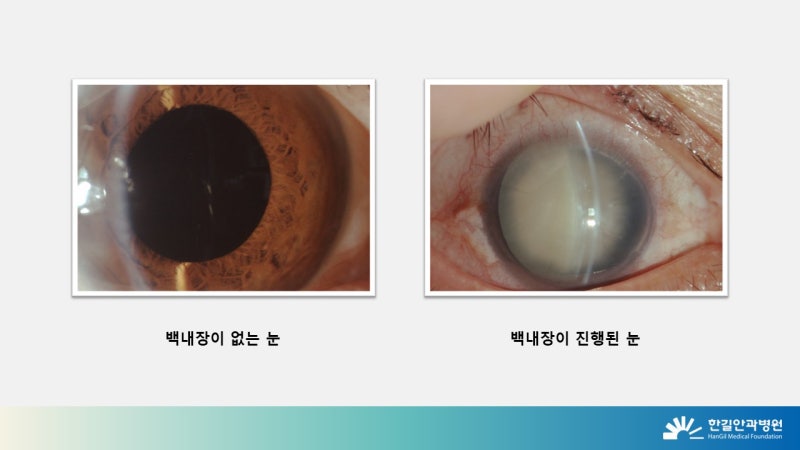
A cataract is an eye condition that almost everyone develops as they age. Aging is the most common cause, but cataracts can also be triggered by ultraviolet exposure, external injury, inflammation, and other factors, all of which cause the lens to become cloudy. From the outside, the dark center of the eye looks speckled with white, which is how the condition got its name.
When the clear, jelly-like lens becomes cloudy, light cannot pass through properly, leading to reduced vision. Cataract symptoms can be treated with surgery, in which the clouded lens is removed and replaced with a clear artificial intraocular lens.
However, some people still visit the hospital because their vision becomes cloudy again after cataract surgery. If that happens, consider secondary cataract as a possible cause!
What Causes Secondary Cataract?
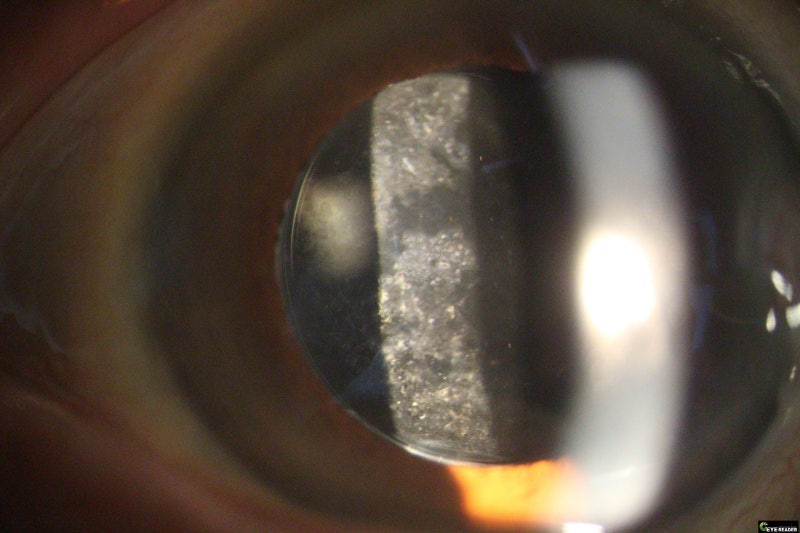
The lens is enclosed in a capsule. During cataract surgery, the front part of this capsule (the anterior capsule) is removed, while the back part (the posterior capsule) is left in place so the artificial lens can be inserted.
When lens fibers or some epithelial cells grow onto the remaining posterior capsule, they form a cloudy membrane. This is known as secondary cataract, also called posterior capsule opacification.
People with diabetes, high myopia, eye trauma, or uveitis are more likely to develop it, so they should be especially careful.
What Are the Symptoms?

✅Vision looks blurry ✅Feeling dizzy ✅Light looks spread out and causes glare ✅Objects look doubled
The symptoms are similar to those of cataracts, including blurred vision, reduced eyesight, and glare. If these symptoms continue after cataract surgery, it could be secondary cataract, so it is a good idea to get checked.
How Is It Treated?
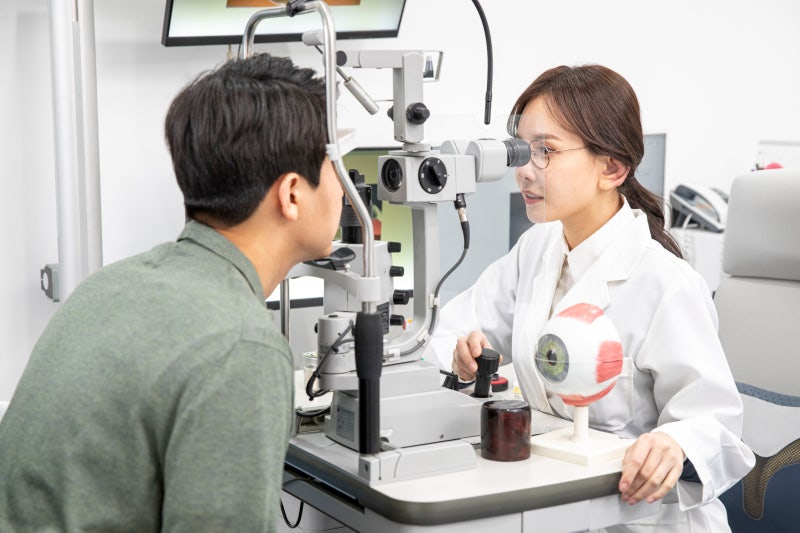
These symptoms are often mistaken for side effects of cataract surgery, but secondary cataract is not a side effect. It is a completely different condition.
It is so common that more than half of patients who have undergone cataract surgery experience it. It usually appears anywhere from a few months to several years after surgery.
In this case, the clouded posterior capsule can be removed with a relatively simple laser treatment, restoring clear vision.
The laser treatment causes little to no pain and does not require hospitalization, so patients can return to their daily routines right away.


If your vision becomes blurry or you notice changes in your eyes after cataract surgery, we recommend visiting a nearby eye specialty hospital for an examination.
At Hangil Eye Hospital, we put patients' eye health first and provide personalized care tailored to each patient's eye condition.
If eye discomfort leaves you feeling worried or anxious, please feel free to visit us anytime and seek expert help.

Profile banner: HanGil Eye Hospital ophthalmologist Yu Tae-geun, tagged #cataract #cornea #LASIK.
This content was created with the help of Tae-geun Yoo, Department Head at Hangil Eye Hospital.


Frequently Asked Questions
What is secondary cataract?
It is a condition in which lens fibers or some epithelial cells grow onto the posterior capsule (the back part of the lens capsule left in place during surgery), forming a cloudy membrane. It may be suspected when vision becomes blurry again after cataract surgery.
What should I do if my vision becomes blurry again after cataract surgery?
If symptoms such as blurred vision persist after surgery, it is recommended to get an examination at an eye clinic. It may be secondary cataract, which is not a side effect but a separate condition.
When does secondary cataract usually appear?
It usually appears anywhere from a few months to several years after cataract surgery. It is a common condition, with more than half of cataract surgery patients experiencing it.
Is secondary cataract difficult to treat?
It can be treated with a relatively simple laser procedure that removes the clouding of the posterior capsule. Treatment causes little pain and does not require hospitalization, so patients can resume daily activities right away.
What symptoms can occur after cataract surgery?
Symptoms may include blurred vision, dizziness, light spreading with glare, or objects looking doubled. Because they resemble cataract symptoms, it is advisable to get checked if they continue after surgery.
Is blurred vision after cataract surgery a side effect of the surgery?
No. Blurred vision is easily mistaken for a surgical side effect, but secondary cataract is a completely different condition, not a side effect. It usually appears a few months to several years after surgery.