2026-09-17
SMILE, LASIK, and LASEK: Side Effects, Cost Differences, and Aftercare Tips
Explore the key differences, potential side effects, pricing factors, and essential aftercare instructions for SMILE, SMILE Pro, LASIK, and LASEK vision correction.

H-EYE-Light: Finding the Right Vision Correction for My Eyes (Part 2)

H-EYE-Light delivers clear, essential insights for your eye health!
Today's topic addresses what people eager to break free from glasses and contact lenses wonder about most: 'The ideal vision correction surgery for me.'
SMILE, SMILE Pro, LASIK, LASEK… You may be familiar with the names, but have you wondered which one suits you best?
Ophthalmologist Sang-mok Lee breaks down everything you need to know, from the distinctions between each procedure to fact-checking potential side effects, in an easy-to-understand way.
How much should I worry about side effects or complications after SMILE, LASIK, or LASEK?

Before choosing vision correction surgery, the fear of 'What if I develop side effects?' is often the biggest concern.
That is why we prioritize pre-operative examinations above all else.
To prevent even the rarest complications beforehand,
we strictly require Avellino DNA testing,
putting the highest priority on verifying whether vision correction can be performed safely.
Even with such thorough examinations, there are common symptoms that patients frequently worry about:
specifically, 'dry eyes' and 'light glares/halos.'


Dry eye occurs when corneal nerves are affected by the laser,
temporarily reducing tear production during the 6-month to 1-year recovery window while the nerves heal.
To manage this,
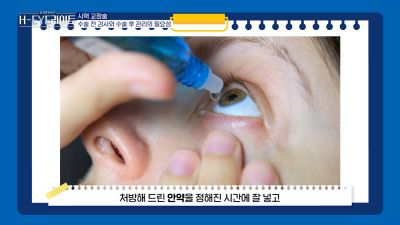
it is vital to consistently administer prescribed artificial tears and eye drops
according to your instructions.
In particular, you should refrain from drinking alcohol and smoking during the early post-operative period.
Alcohol and cigarette smoke not only dry out the eyes,
but can also impede healing and trigger inflammation.

Light glares or halos primarily occur at night when your pupils dilate wider than the optical zone reshaped by the laser.
When pupils dilate in dark environments,
light enters through the untreated peripheral zone, creating glare or starbursts.
We precisely measure each patient's scotopic (nighttime) pupil size
and create a personalized surgical plan to minimize post-operative light glare.
Why is there a cost difference among SMILE, LASIK, and LASEK?

This is one of the most practical questions patients have.
The primary reason for the price variation among SMILE, SMILE Pro, LASEK, and LASIK
lies in the proprietary technology, equipment precision, and specialized consumables used in each procedure.
LASEK utilizes the well-established excimer laser platform,
where delicate epithelial management by the surgical team plays a central role.
LASIK requires an additional laser system to create the corneal flap
alongside the excimer laser.
SMILE and SMILE Pro
employ state-of-the-art femtosecond lasers that bypass the outer corneal layer to reshape the stroma directly,
which requires dedicated, high-precision surgical consumables.
Specifically, the advanced 'SMILE Pro' platform introduced at our hospital
features significantly faster laser pulse rates that reduce laser treatment time to around 10 seconds
while integrating high-end technology
that automatically aligns and compensates for the astigmatic axis during surgery.
Are pre-operative tests and post-operative care truly necessary?

This is extremely important.
It is no exaggeration to say that 90% of surgical outcomes
are determined not on the operating table, but in the pre-operative diagnostic room.
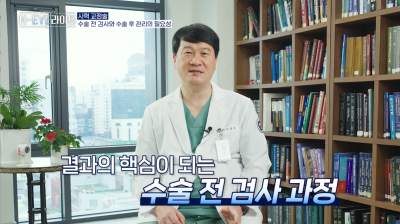

We conduct in-depth diagnostic examinations to confirm whether a patient's eyes can safely undergo surgery.
Through this process,
we rigorously evaluate corneal topography and thickness,
and screen for previously unnoticed retinal conditions or early glaucoma
to strictly assess surgical eligibility.
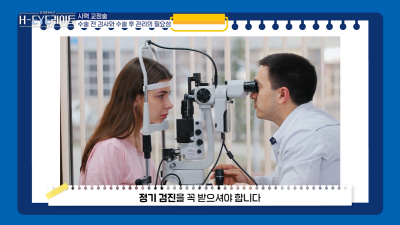


Just as crucial as the procedure itself is post-operative care.
To prevent myopic regression—where vision deteriorates again over time—
you must apply your prescribed eye drops on schedule and attend all follow-up visits.
In particular, when using smartphones or computer screens for extended periods,
it helps to make a conscious effort to blink frequently to avoid dry eye symptoms.
Our Distinct Advantages

From the explanation so far, you might think,
'If modern machines do all the work, wouldn’t results be the same regardless of where I have the surgery?'
However, vision correction surgery relies just as much on a hospital system capable of managing unexpected clinical scenarios
as it does on advanced equipment.
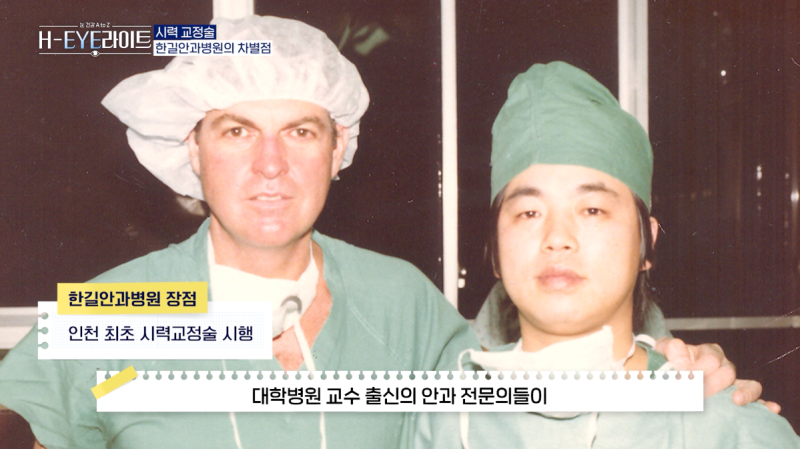


As an ophthalmic hospital designated by the Ministry of Health and Welfare, our procedures are directly performed by board-certified ophthalmologists with nearly 40 years of accumulated surgical expertise.
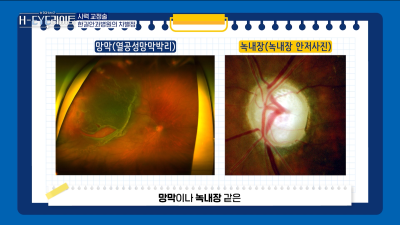
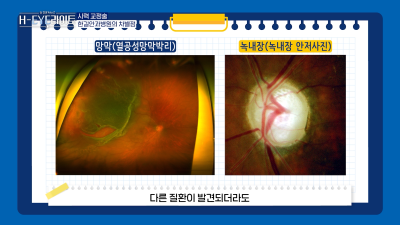

Our greatest distinction is our integrated collaborative care system.
Even if an incidental retinal disease or glaucoma is detected before or after vision correction,
there is no need to transfer to another clinic.
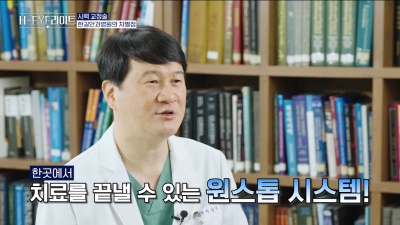
With around 40 ophthalmologists across various subspecialties working together seamlessly,
we provide a comprehensive one-stop care system under one roof.
Serving as a dependable partner that patients can trust for vision correction and lifelong eye health
is our greatest pride.
In this second installment of H-EYE-Light,
we examined the potential side effects, cost considerations, and aftercare practices
for popular vision correction procedures often scheduled during winter breaks.
Please remember that the best procedure for you
is always the one that is safest and best matched to your unique ocular condition!
How to Find the Right Vision Correction Procedure for You: Part 1
Looking for clear, accessible information on SMILE, SMILE Pro, LASEK, and LASIK? Visit Hangil Eye Hospital's YouTube channel, H-EYE-Light
Hangil Eye Hospital Location
Reservations and Inquiries
Frequently Asked Questions
Why does dry eye occur after vision correction surgery?
It occurs because corneal nerves are temporarily affected by the laser, leading to reduced tear secretion. During the 6-month to 1-year recovery period while the nerves regenerate, you should consistently administer prescribed artificial tears and eye drops as directed, and avoid alcohol and smoking, which can hinder recovery.
What causes nighttime glare or halos after vision correction?
Halos occur when pupils dilate wider in dim environments than the area reshaped by the laser, allowing light to enter through the untreated boundary. Precise pre-operative measurements of nighttime pupil size allow surgeons to tailor laser ablation zones and minimize glare.
Why do the costs of SMILE, LASIK, and LASEK differ?
The cost difference stems from the equipment precision, proprietary laser technology, and disposable instruments required. While LASEK uses an excimer laser and LASIK requires additional flap-creation devices, SMILE and SMILE Pro utilize sophisticated femtosecond lasers, specialized single-use consumables, and rapid astigmatism-aligning technology.
How can I prevent myopic regression after vision correction?
You should administer all prescribed eye drops at scheduled times and attend routine follow-up examinations. In addition to medicinal care, developing the habit of consciously blinking during long screen sessions helps maintain ocular moisture and support clear vision.
Is Avellino DNA testing mandatory before refractive surgery?
Yes, it is essential to prevent rare genetic complications. Along with Avellino testing, comprehensive pre-operative screening evaluates corneal structure, retinal health, and glaucoma indicators to ensure surgical safety above all else.