2026-09-19
SMILE, LASIK, LASEK: How to Find the Right Vision Correction Surgery for You
Learn the essential differences, pain levels, and recovery times between SMILE, LASIK, and LASEK to help you choose the safest vision correction procedure.

H-EYE-Light - The Right Vision Correction Surgery for My Eyes

Delivering valuable insights for your eye health! Welcome to H-EYE-Light.
Today's topic addresses the most pressing question for anyone looking to ditch glasses and contact lenses: 'Finding the perfect vision correction surgery for me.'
SMILE, SMILE Pro, LASIK, LASEK… You have heard the names, but have you struggled to figure out which is truly best for you?
Ophthalmologist Dr. Sang-Mok Lee breaks down everything you need to know, from the core differences between each procedure to fact-checks on potential side effects, all in an easy-to-understand way.
How do SMILE, LASIK, and LASEK differ from each other?


To put it simply, all three procedures share the same basic principle: 'reshaping the cornea with a laser to correct refractive errors.'
However, the difference lies in which layer of the cornea is reshaped and how it is accessed.
LASEK
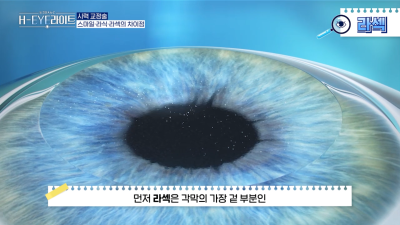
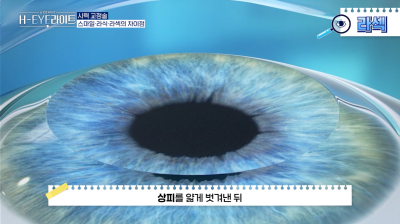
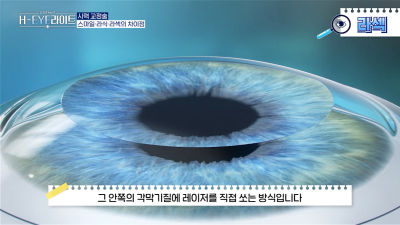

First, LASEK works by gently removing the outermost layer of the cornea, called the epithelium,
and then applying the laser directly to the underlying corneal stroma.
Think of it like removing the cover of a notebook before writing on the inside pages.
Because it leaves the deeper layers of the cornea relatively untouched, it offers high structural stability,
but it takes time for the surface epithelium to heal, which can cause pain during recovery.
LASIK
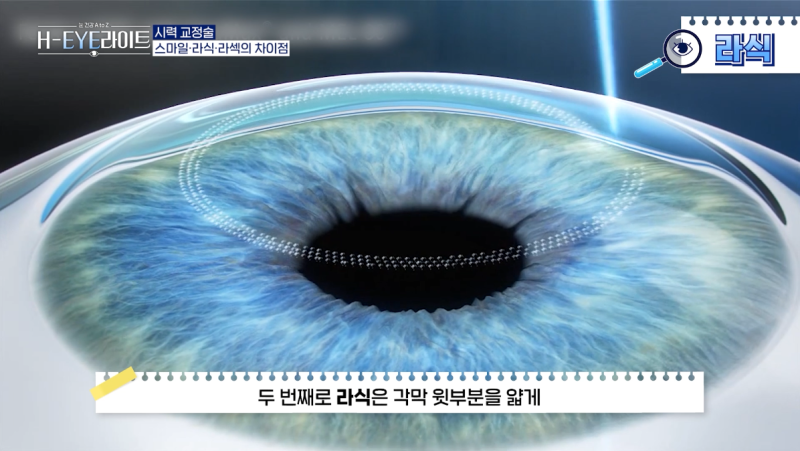
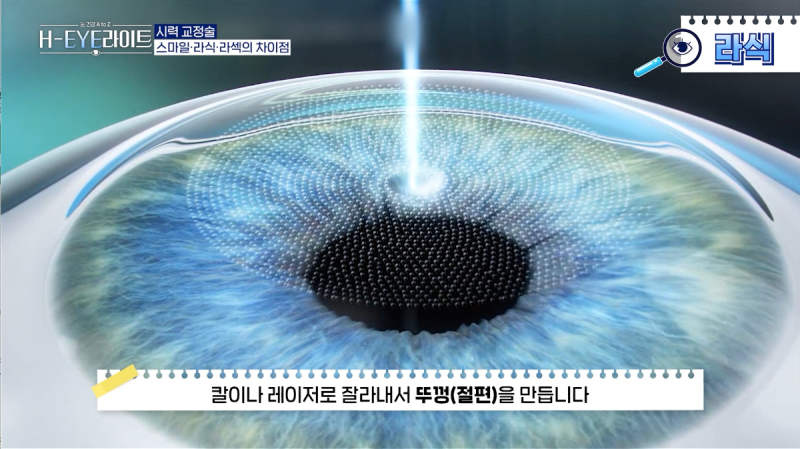
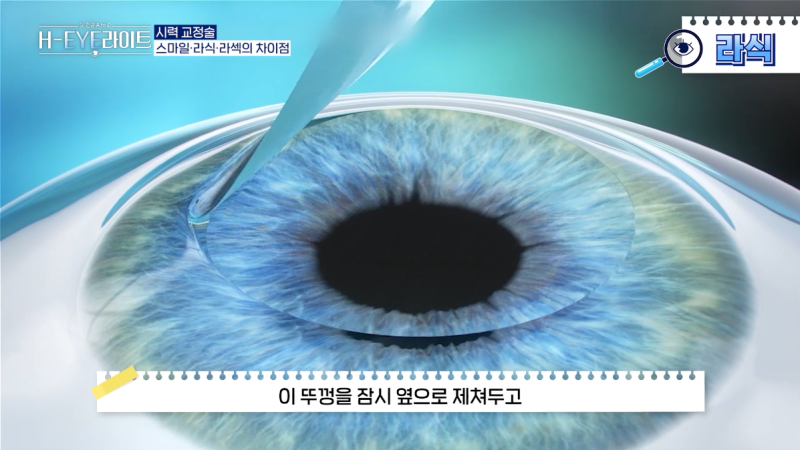
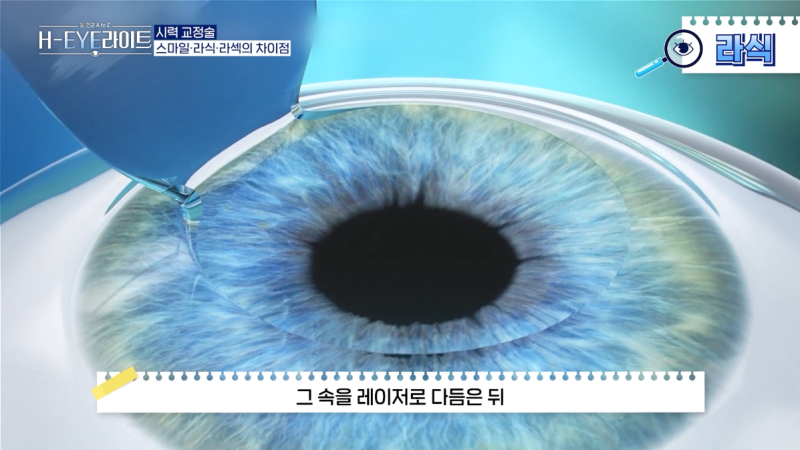
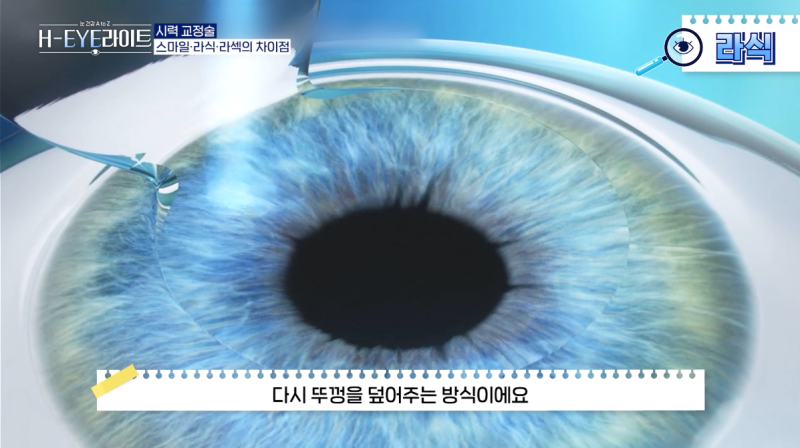
Second, LASIK involves creating a thin corneal flap on the upper surface using a microkeratome blade or a femtosecond laser.
This flap is gently folded back, the inner stroma is reshaped using an excimer laser, and the flap is then repositioned.
It is similar to opening a slice of sandwich bread, adding the ingredients, and closing it again.
Because the outer surface is not scraped, there is minimal pain and recovery is very rapid.
However, because the repositioned flap never fully adheres to its original strength, flap-related complications remain a lifelong consideration.
SMILE and SMILE Pro
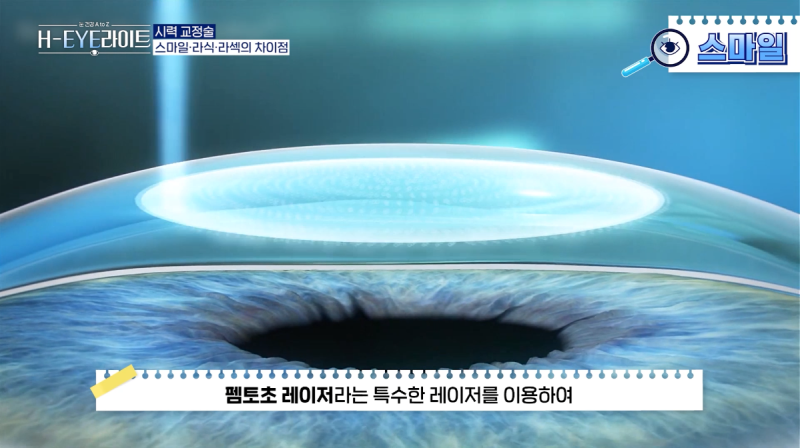
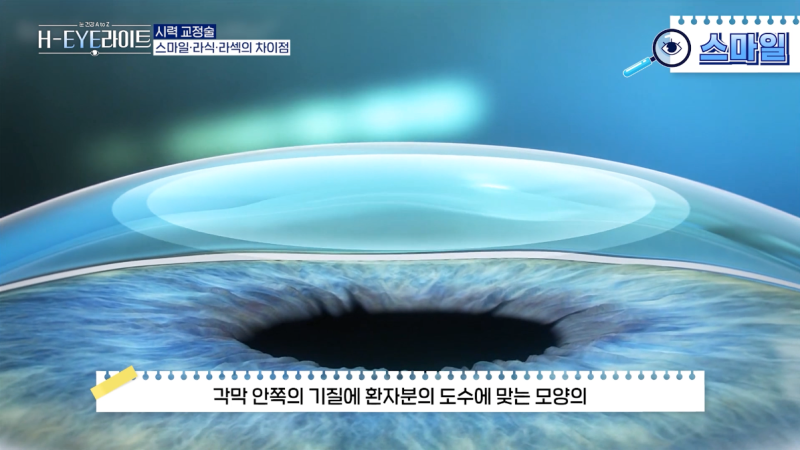
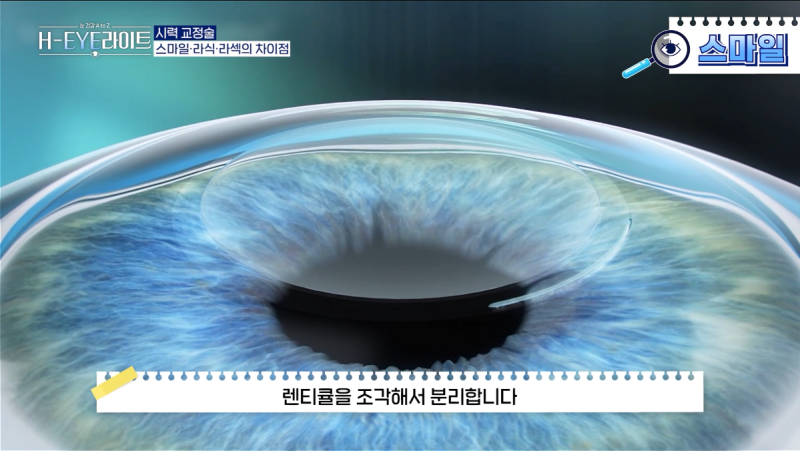
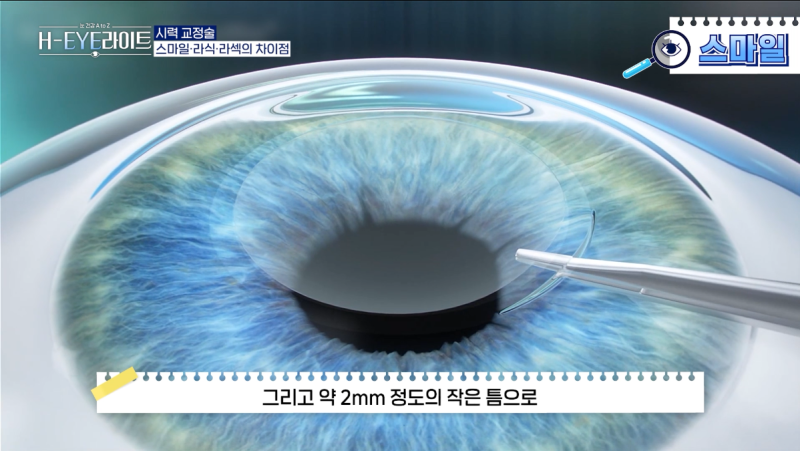
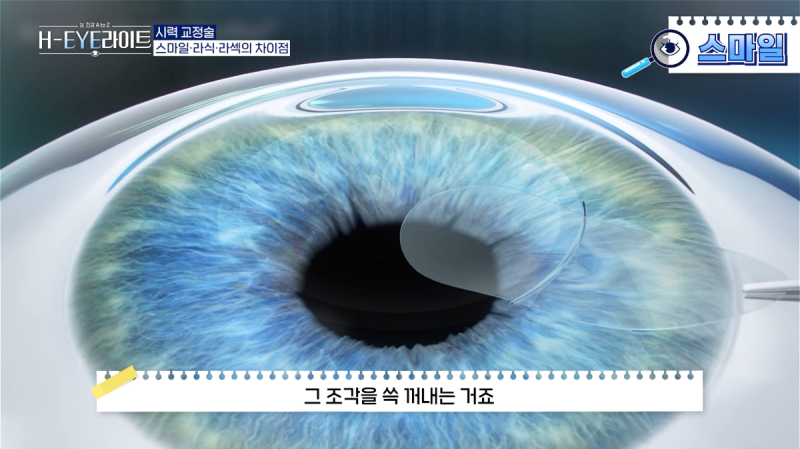
Finally, SMILE creates neither a flap nor does it strip away the surface epithelium.
Using a specialized femtosecond laser,
a small, disc-shaped piece of tissue (lenticule) tailored to the patient's refractive error is sculpted within the corneal stroma.
The surgeon then extracts this lenticule through a tiny micro-incision of around 2 mm.
While the layer where the correction takes place is similar to LASIK,
it eliminates flap-related complications, making it an increasingly popular choice today.



In conclusion, no single procedure is universally superior to the others.
The key is selecting the optimal method that corrects vision most safely based on
the patient's corneal thickness, degree of myopia, and overall ocular health.
SMILE, LASIK, LASEK… Which vision correction surgery is right for me?


Many people ask, "Isn't the latest surgical method always the best?"
In reality, the right answer depends entirely on your ocular condition.

For example,
for patients with very thin corneas
or severe myopia who must preserve as much corneal tissue as possible,
LASEK may be the safest and most reliable choice.



On the other hand, for those with sufficient corneal thickness,
high sensitivity to pain, or a need for rapid return to daily life,
LASIK, SMILE, or SMILE Pro often yield greater satisfaction.
While patient preference matters,
clinical decisions must be grounded in precise examination data regarding your eye health.
Based on comprehensive diagnostic test results,
we recommend a customized, one-on-one consultation that factors in your profession, hobbies, and daily lifestyle
to determine the safest surgical method for you.
How do SMILE, LASIK, and LASEK compare in terms of pain and recovery time?

Once you are considering which vision correction surgery might suit you,
your next questions will likely be about post-operative pain and recovery time.
These aspects vary noticeably among SMILE, SMILE Pro, LASIK, and LASEK.

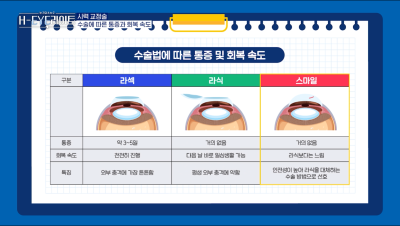
LASEK requires the removed outer epithelium to regenerate smoothly,
meaning patients typically experience mild to moderate discomfort for about 3 to 5 days, with visual recovery progressing more gradually.
However, once fully healed, it provides the greatest resistance to external impact and trauma.
In contrast, LASIK simply repositions the corneal flap,
causing minimal pain and enabling patients to resume normal daily activities as early as the next day with rapid visual recovery.
However, the lifelong vulnerability of the flap to direct trauma remains a trade-off.
Finally, SMILE and SMILE Pro utilize only a tiny ~2 mm micro-incision,
resulting in almost no pain. While visual sharpness might stabilize slightly slower than LASIK, it offers significantly greater structural safety.
For this reason, SMILE is increasingly favored as an alternative to traditional LASIK.
In this second installment of H-EYE-Light,
we explored how to find the right vision correction surgery for your eyes during the winter break
and addressed the most frequently asked questions.
Please remember that the best surgery for you
is the one that is safest and most appropriate for your unique eye condition!
Looking for clear, easy-to-understand insights on SMILE, SMILE Pro, LASEK, and LASIK? Check out Hangil Eye Hospital's YouTube series: H-EYE-Light
Hangil Eye Hospital Location
Reservations & Inquiries
Frequently Asked Questions
What is the biggest difference between LASEK and LASIK?
The main difference lies in how and where the cornea is reshaped. LASEK removes the thin surface epithelium before applying the laser directly to the stroma, while LASIK creates a corneal flap, reshapes the underlying stroma, and repositions the flap back in place.
How is SMILE laser surgery performed?
SMILE does not require removing the corneal surface or creating a flap. Using a femtosecond laser, a lenticule tailored to the refractive error is carved within the corneal stroma and then extracted through a tiny 2 mm micro-incision.
Which surgery is recommended for thin corneas or high myopia?
LASEK is generally the safest option. For patients with very thin corneas or severe myopia where conserving maximum corneal tissue is crucial, LASEK offers greater safety because it leaves the deeper structural corneal layers intact.
How do pain levels and recovery times differ across each surgery?
LASEK involves 3 to 5 days of discomfort and a slower recovery as the epithelium heals. In contrast, LASIK and SMILE cause very little pain; LASIK allows a return to daily routines by the next day, while SMILE combines minimal discomfort with high structural stability.
Is the newest vision correction procedure always the best choice?
No, the best procedure depends on your individual eye anatomy and lifestyle. The latest technology is not automatically ideal for everyone; the safest method must be determined through comprehensive diagnostic testing considering corneal thickness, refractive error, occupation, and daily activities.