2026-10-20
Suspecting Glaucoma Symptoms? How to Approach Early Treatment
Glaucoma often shows few early symptoms, and damaged optic nerves cannot be restored. This guide covers warning signs, a self-check list, acute glaucoma, and when to see a doctor.

Glaucoma is a disease in which the optic nerve becomes damaged, mainly due to elevated intraocular pressure and other factors. If it is not treated in time, it can narrow your field of vision and affect your eyesight. Along with diabetic retinopathy and macular degeneration, glaucoma is considered one of the three major eye diseases that can cause blindness.

In the early stages, glaucoma usually causes few symptoms that you can notice on your own, so many people only become aware of it after the disease has already progressed.
Because the optic nerve cannot recover once it is damaged, early glaucoma treatment is extremely important. The goal is to detect the disease quickly and take action to keep it from getting worse.
Glaucoma Symptoms


The same cityscape with darkened edges, simulating narrowed peripheral vision.
A clear view of a city skyline with high-rise buildings reflected in a river.
The most common symptom of glaucoma is a gradual narrowing of the field of vision. It usually begins at the edges and progresses slowly, so the area you can see shrinks, much like an opaque curtain being drawn across your view.
As the vision loss progresses toward the center, the risk of blindness increases.
However, this is not easy to notice.
Many patients only realize something is wrong with their eyes and visit an eye clinic after the disease has advanced and only central vision remains.
Glaucoma can also develop suddenly.
In acute angle-closure glaucoma, intraocular pressure rises rapidly. If it is not treated within 72 hours, the optic nerve can be damaged quickly, which may lead to blindness.
Because eye pressure rises quickly, symptoms can include eye redness, severe eye pain and headache, vision loss, nausea, and vomiting.

Vision loss can cause eye strain and frequent headaches, which can interfere with daily life.
Because your field of vision is narrower, it becomes harder to see objects clearly, which can affect activities you used to do without any trouble, such as reading, working on a computer, and driving.
With a smaller field of view at any given moment, it becomes harder to recognize objects around you. This raises the risk of bumping into things or falling, and while driving, it can even cause accidents.
Self-Check for Suspected Glaucoma

1. Your eyes often hurt and you feel a strong foreign-body sensation. 2. Your eyes are often red. 3. You get frequent headaches and feel nauseous. 4. Your field of vision is narrowing and some areas are hard to see. 5. Your eyesight has declined and your vision looks hazy. 6. Lights look haloed or spread out around them. 7. A family member has a history of glaucoma.
If two or more of these apply to you, glaucoma may be a concern, so it is a good idea to visit a nearby eye clinic for an examination and consultation.
Early Diagnosis Is Key!
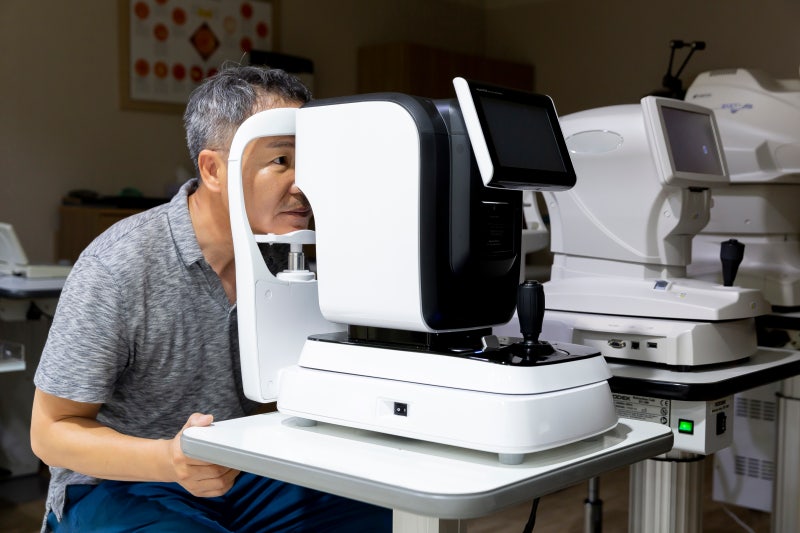
Optic nerve damage caused by glaucoma is difficult to reverse, so the goal of treatment is to slow the rate of nerve damage and preserve as much vision as possible.
That is why early diagnosis and appropriate early glaucoma treatment are so important.
If you are 40 or older, getting an eye exam once a year is a good way to catch the disease early.

HanGil Eye Hospital ophthalmologist Lee Jin-young, tagged #Glaucoma and #Cataract.
This content was produced with the help of Lee Jin-young, Head of Department at Hangil Eye Hospital.


Frequently Asked Questions
Are there usually no symptoms in the early stages of glaucoma?
Yes. In the early stages, there are usually few symptoms that you can notice on your own, so the disease is often recognized only after it has progressed. Vision typically narrows gradually from the edges, but this is not easy to notice.
How many suspicious symptoms should prompt a visit to a doctor?
If two or more items on the self-check list apply to you, glaucoma may be suspected, so it is best to get an examination and consultation at a nearby eye clinic. The self-check items include frequent eye pain and foreign-body sensation, eye redness, headaches and nausea, narrowing of the visual field, and declining eyesight.
How quickly does acute glaucoma need to be treated?
Acute angle-closure glaucoma can quickly damage the optic nerve and lead to blindness if it is not treated within 72 hours. Because intraocular pressure rises sharply, symptoms such as eye redness, severe eye pain and headache, vision loss, nausea, and vomiting may appear. If you notice these symptoms, see an eye doctor right away.
Can optic nerve damage caused by glaucoma be restored?
No. Once the optic nerve has been damaged, it is difficult to restore it to a healthy state. For this reason, the goal of treatment is to slow the rate of optic nerve damage and preserve as much vision as possible, and early diagnosis and early treatment are extremely important.
How often should people aged 40 and older have an eye exam?
Adults aged 40 and older should have a regular eye exam once a year. Routine eye exams are a good way to detect the disease early.