2026-10-18
Late-Stage Glaucoma Symptoms and Surgical Treatment Options
Glaucoma often has no symptoms until late stages, when vision loss may occur. This article covers late-stage signs, surgical options like trabeculectomy, and why regular eye exams matter.


Glaucoma is one of the three leading causes of blindness, along with diabetic retinopathy and macular degeneration. It progresses slowly without noticeable symptoms, so patients often don't feel any discomfort until the disease reaches its late stage. This is why it is known as the 'silent thief of sight.'
Although it is generally considered a disease of middle-aged and older adults, the number of younger patients in their 20s and 30s has been increasing in recent years.
Gradually narrowing vision, leading to blindness
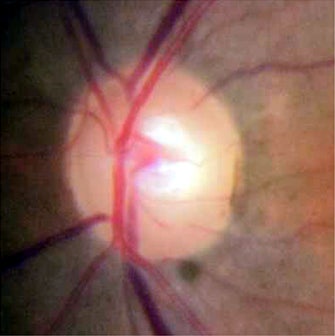
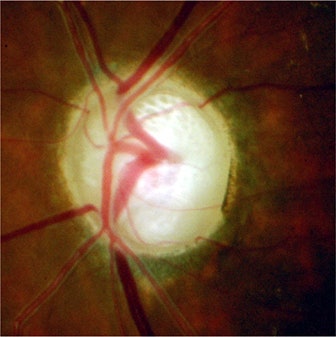
Another fundus photograph, showing a pale optic disc with a greatly enlarged central cup.
Fundus photograph of the optic nerve head (optic disc) with the surrounding retinal blood vessels.
Glaucoma is a progressive optic neuropathy, a condition in which the function of the optic nerve becomes impaired. The optic nerve plays a vital role in transmitting visual information from the eye to the brain. When it is damaged, the field of vision gradually narrows, and in the late stage of glaucoma, patients eventually lose their eyesight.
Glaucoma symptoms that are hard to notice on your own


The same scene with darkened edges, illustrating vision that narrows toward the center as peripheral sight is lost.
A tree on a green hill under a blue sky, seen with a clear, full field of view.
Glaucoma usually progresses slowly, and in the early stages it typically causes no particular symptoms, so it is difficult to notice on your own. Acute glaucoma can cause symptoms such as eye pain, headache, nausea, and vomiting. Chronic glaucoma, however, rarely produces noticeable symptoms, so many people don't see an eye doctor until their vision has dropped sharply in the late stage.
By the time a patient notices their field of vision narrowing, significant damage to the optic nerve has usually already occurred, and the disease has likely progressed to the late stage.
Slowing progression is the key to treatment
Unfortunately, vision lost due to glaucoma is difficult to fully restore. However, by controlling intraocular pressure, it is possible to prevent further damage to the optic nerve and slow the progression of the disease.
The first step in treatment is consistently using prescribed eye drops to control intraocular pressure. Applying medication directly to the eye can lower intraocular pressure or increase ocular blood flow, slowing or preventing the progression of glaucoma.
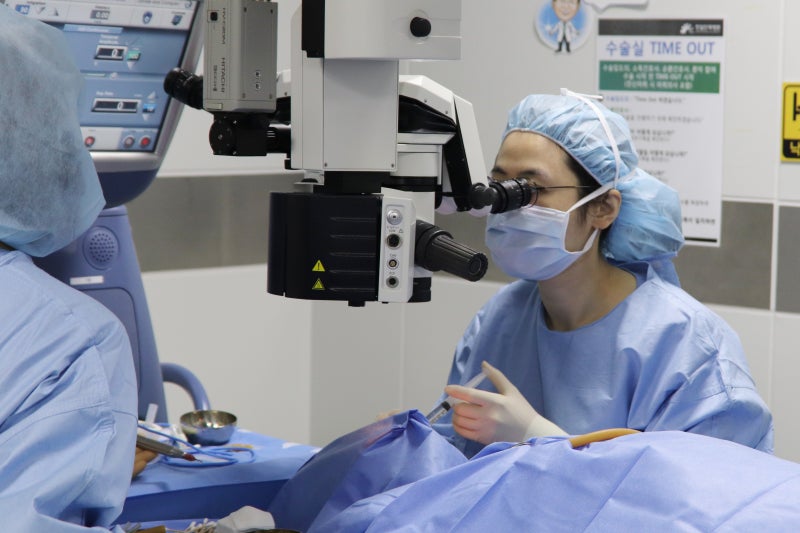
When glaucoma reaches the late stage and intraocular pressure cannot be adequately controlled with medication or laser treatment, surgical options are considered.
Representative glaucoma surgeries include trabeculectomy and glaucoma drainage device implantation. Both procedures aim to lower intraocular pressure by creating a pathway through which aqueous humor can drain out of the eye.
Recently, minimally invasive glaucoma surgery has been widely performed. This approach can effectively lower intraocular pressure while causing minimal damage to the eye.
Although surgery can lower intraocular pressure, it does not cure the disease, so ongoing management is necessary even after the procedure.
Regular eye exams are essential
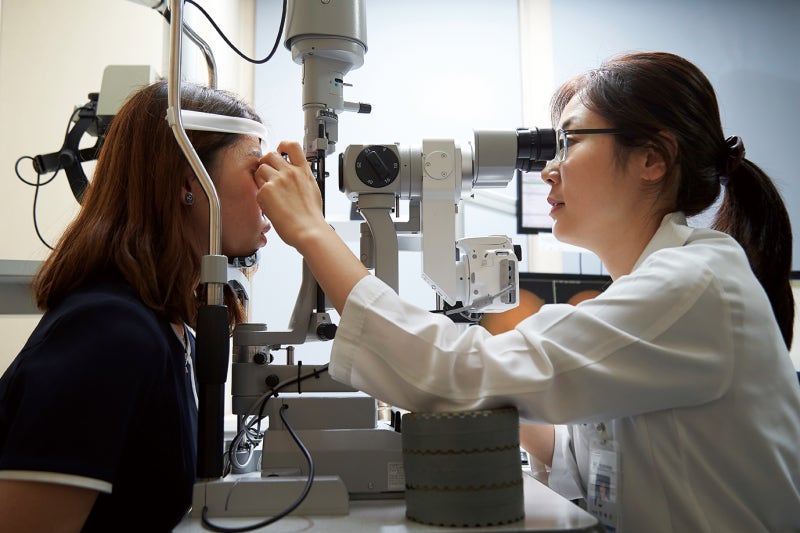
Because glaucoma often has no symptoms and is difficult to recognize on your own, regular eye exams are essential. In particular, it is a good idea to get screened for glaucoma if you fall into any of the following groups:
✅ Adults aged 40 or older ✅ People with diabetes, arteriosclerosis, or other cardiovascular diseases ✅ People with severe myopia ✅ People with a family history of glaucoma ✅ People who have undergone long-term steroid treatment

Profile banner: HanGil Eye Hospital ophthalmologist Wi Seo-young, tagged #Glaucoma and #Cataract.
This content was produced with the help of Dr. Seo-young Wi, department head at Hangil Eye Hospital.


Frequently Asked Questions
Does glaucoma have symptoms in the early stages?
In most cases, glaucoma causes no noticeable symptoms in the early stages, so it is difficult to detect on your own. Acute glaucoma can cause eye pain, headache, nausea, and vomiting, but chronic glaucoma is hard to notice, and many people only see an eye doctor after their vision has dropped sharply in the late stage.
What happens to vision in late-stage glaucoma?
In the late stage, optic nerve damage causes the field of vision to narrow until vision is lost. Lost vision is difficult to fully restore, so slowing the progression of optic nerve damage by controlling intraocular pressure is essential.
What surgical options are available for glaucoma?
Representative glaucoma surgeries include trabeculectomy and glaucoma drainage device implantation. The goal of these procedures is to lower intraocular pressure by creating a pathway through which aqueous humor can drain from the eye.
Is follow-up care still needed after glaucoma surgery?
Yes. Surgery can lower intraocular pressure, but it does not cure glaucoma, so ongoing management is necessary even afterward. Because glaucoma rarely causes noticeable symptoms, regular eye exams are essential.
When should I get screened for glaucoma?
It is recommended to get screened for glaucoma if you are 40 or older, have diabetes or cardiovascular disease such as arteriosclerosis, have severe myopia, have a family history of glaucoma, or have undergone long-term steroid treatment.